Gas line installation, repair, and leak detection
Installs, repairs, and leak detection for residential gas lines. Gas work is our specialty. The jobs other plumbers send out, we take on.
What the work involves.
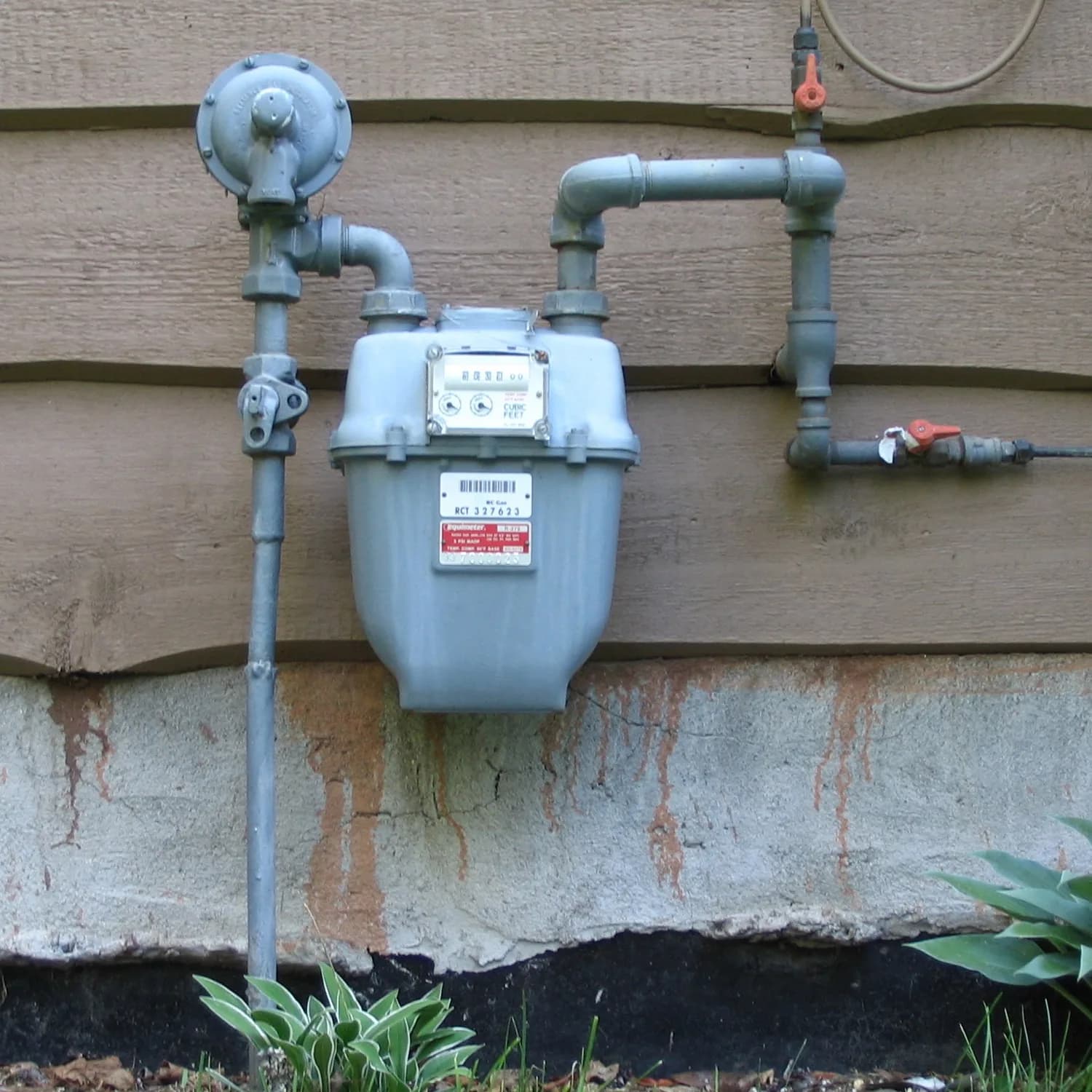
Seth has been pulling gas permits and running lines since 2021. The work covers everything from a single appliance hookup to a full main rerun, natural gas or propane, retrofit or remodel. If it’s gas and it’s in a home across Northwest Georgia, we handle it.
Gas work has a higher bar than a lot of residential plumbing. It’s licensed, permitted, and pressure-tested before the meter goes back into service. That’s why most plumbers won’t touch it, and it’s why a homeowner who needs a new line for a tankless water heater or a generator usually ends up calling two or three companies before someone agrees to do the work. We take those calls.
Every job starts the same way: a walk-through of the work, a clear scope, and a written price before any tools come out. If the run is short and clean we say so; if it has to come from the meter and tie into existing branches, we tell you that too. We pull our own permits and stay on site through the inspection, so you’re not chasing the building department after we leave. If something comes up mid-job that changes the scope, you hear about it before we touch it.
What we handle.
The jobs we handle most often. If yours isn’t on the list, give us a call and ask.
New gas line installs
Runs from the meter to a new appliance location: gas range, dryer, tankless water heater, gas log fireplace, generator, or pool heater. Sized for the appliance load, routed the cleanest way through the structure, and pressure-tested before any appliance ties in.
Leak detection and repair
If you smell gas, we come out, find the leak, and fix it. Soap-and-bubble checks at fittings, a pressure-drop test on the full system, and full line replacement when corrosion or fitting failure makes that the right call.
Appliance hookups and swap-outs
New install or replacement, we get the line, the shutoff, the flex, and the regulator right the first time. Correct flare or CSST fitting at the appliance, code-compliant clearances, and a working flame before we leave.
Pressure tests and code sign-offs
When you need a pass for an inspector (for a remodel, a sale, or a city permit), we set up the test, hold pressure for the required interval, and stay on site through the inspection.
Tankless water heater gas conversions
Tankless units pull two to four times the gas of a standard tank water heater at peak demand. We size and run the line for that load. A half-inch line that fed an old tank rarely cuts it for a modern tankless.
Generator gas line installs
Standby generators need a dedicated run with a properly sized line and a secondary shutoff at the unit. We coordinate with the electrician on placement and timing so the install lands clean and the inspection passes the first time.
Electric-to-gas range and dryer conversions
Adding gas where there was only an electric outlet. We run the new line, drop in the shutoff, and confirm the appliance is rated for gas and listed for the conversion before we tie it in.
Propane to natural gas (and back)
Switching fuel sources changes the orifices in the appliance and the supply pressure to the line. We handle the supply side, coordinate on the appliance conversion kit, and verify the system is leak-tight before the gas turns back on.
Appliances we work on.
From single appliance hookups to whole-house systems.
Gas ranges and cooktops
Drop-in cooktops, slide-in ranges, and full conversions from electric. Includes the line, the shutoff, and the flex connector rated for the appliance.
Gas dryers
Single appliance hookups, or full runs from the meter when the laundry room is moving as part of a remodel.
Tankless water heaters
Indoor or outdoor mount. Tankless units demand a larger line than a tank, and we size the run for the BTU load before the unit gets installed.
Tank water heaters (gas)
Replacing a tank, or running new gas to a location that used to hold an electric tank. If we’re swapping the line and the tank together, we coordinate so the house only loses hot water for the duration of the swap.
Whole-house standby generators
Dedicated supply line from the meter with a properly sized regulator and a secondary shutoff at the unit. We work alongside the electrician on the install schedule.
Pool and spa heaters
High-BTU appliances that almost always need a larger run than the existing line can deliver. We size, route, and tie in.
Gas log fireplaces and inserts
Vented or vent-free, log set or insert. We run the line into the firebox and stub it for the gas tech to finish, or run and finish the connection ourselves.
Outdoor kitchens and grills
Permanent gas runs to a built-in grill, side burner, or smoker. Buried line where needed, with tracer wire and corrosion-rated fittings sized for the appliance.
How we do the work.
Black iron pipe
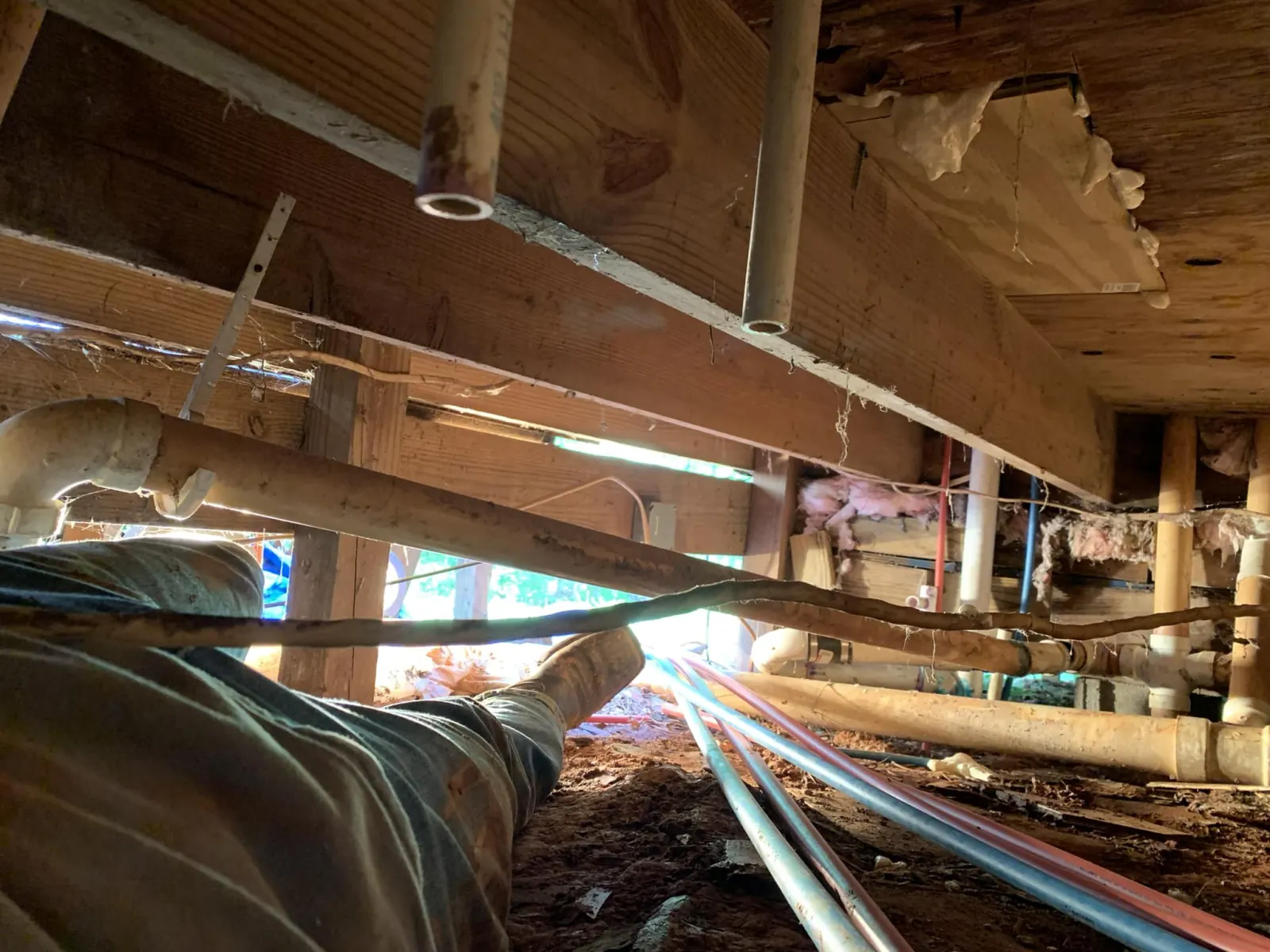
The traditional gas line material. Threaded, sealed with gas-rated pipe dope, and routed through the structure. Still the right call for exposed runs and any spot where flexible tubing would be exposed to potential impact.
CSST (corrugated stainless steel tubing)
Flexible stainless tubing with mechanical fittings, used for most retrofit runs through walls, ceilings, and crawlspaces. We bond every CSST run to the home’s grounding system per current IFGC requirements.
Pressure-drop testing
Every new run or modification gets a pressure test before the meter goes back into service. We pull the system up to test pressure, hold it for the required interval, and walk every joint with soap before sign-off.
Soap-bubble leak checks
For active leak detection on existing systems. Every fitting, valve, and union gets soap, and a leak shows itself the second the bubbles form.
IFGC sizing tables
Gas line diameter is set by appliance BTU load and total developed length back to the meter. We size from the published tables, not by matching whatever line happened to be there before.
Tracer wire on buried runs
Any underground gas line we put in gets a continuous tracer wire run alongside it, so the next plumber, electrician, or landscaper has a locator signal to find the line before they dig.
When to give us a call.
If you’re seeing any of these, give us a call sooner rather than later. Catching it early keeps the fix simpler.
- A sulfur or rotten-egg smell near a gas appliance or the meter
- A hissing sound at a connection, valve, or along a visible run
- A gas bill that climbed for no obvious reason between billing cycles
- A pilot light that keeps going out on a water heater, fireplace, or furnace
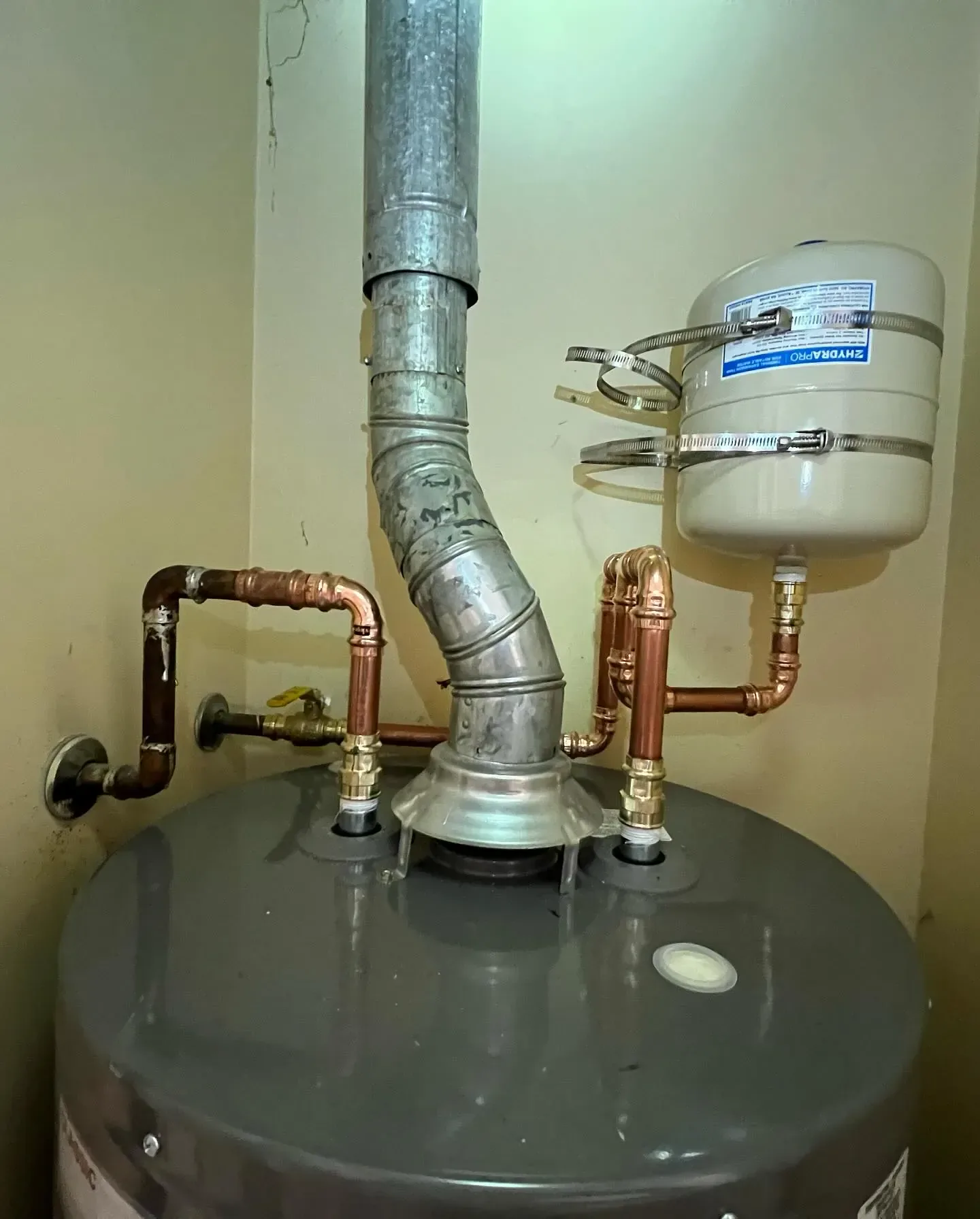
- Visible corrosion or rust on a gas line, especially in a crawlspace or basement
- Yellow or wavering flames on a gas range that should be burning blue
- A new appliance the installer said needs a larger line than what is in the wall
- Any planned remodel that adds a gas range, dryer, fireplace, or tankless unit
Common questions.
Have a gas job in mind? Give us a call.
Whether it’s a new line, a leak, or an appliance hookup, phone is the fastest way to reach us.